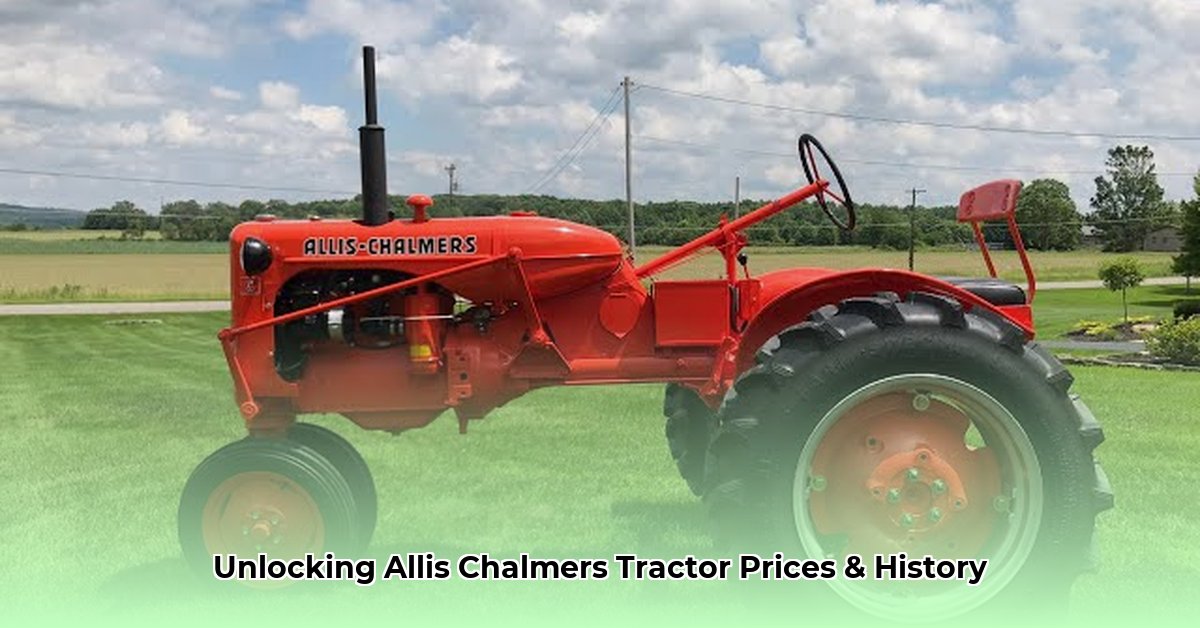
C Allis Chalmers Tractor: Your Guide to Owning a Piece of History
The Allis-Chalmers Model C tractor, a stalwart of American agriculture, holds a significant place in farming history. Produced between 1940 and 1949, over 84,000 units rolled off the assembly line, a testament to its reliability and popularity. But what made the Model C so desirable? This guide explores its design, market value, and restoration, offering insights for both seasoned collectors and curious enthusiasts. For more on selling your tractor, check out this helpful guide: Selling a Tractor.
More Than Just a Tractor: Understanding the Allis-Chalmers Model C's Design
The Model C's enduring appeal is rooted in its consistent design. While minor variations exist across production years (subtle changes in features or components), the core elements remained largely unchanged: engine, transmission, and power output. Horsepower figures typically range from 21 to 23, with variations likely due to testing methods or age-related wear and tear. This consistency simplifies the assessment of value compared to other vintage machinery.
Under the Hood: A Look at the Model C's Key Features
What propelled this agricultural icon? Let's examine its critical components:
Engine: Generally a gasoline or distillate-fueled engine, the heart of the machine. Specific engine details vary by year, illustrating the design's evolution. Researching the exact manufacturing year is crucial for understanding engine nuances.
Transmission: Responsible for power distribution, understanding its functionality is vital for both inspection and restoration. This demands close attention during any assessment.
Power Output: While modest by today's standards (around 21-23 horsepower), it was well-suited for its time and tasks.
Beyond the Core: Condition of attachments (plows, cultivators), paint and bodywork, and structural integrity significantly impact both functionality and value.
The Allis-Chalmers Model C Market: What to Expect
How much does a piece of this agricultural history cost? Prices range widely, typically from $2,850 to nearly $3,000. However, condition, originality (percentage of original parts), and location heavily influence the final price. A meticulously restored Model C commands a premium over one requiring extensive repairs. This mirrors the classic car market: condition is paramount. The availability of original manuals further impacts value.
Finding Your Dream C Allis Chalmers Tractor: A Step-by-Step Guide
Ready to embark on your search? Follow these steps:
Thorough Research: Investigate Model C variations and production years to identify your ideal tractor.
Budgeting: Establish a realistic budget to prevent disappointment and streamline your search.
Meticulous Inspection: A comprehensive inspection is paramount. Look for wear, rust, or damage; assess engine health, transmission smoothness, and component originality.
Expert Consultation: Seek advice from experienced mechanics or Allis-Chalmers collectors. Their expertise can identify potential issues easily missed by novices.
Price Negotiation: Negotiate the price fairly, considering condition and repair needs.
Documentation: Maintain detailed records of your search, inspections, and purchase.
How to Restore a 1940s Allis Chalmers Model C Tractor
Restoring a 1940s Allis-Chalmers Model C is challenging but rewarding. Thorough planning, budgeting, and parts sourcing are crucial. Community involvement (classic tractor clubs) provides invaluable support. The restoration process is iterative, requiring flexibility and problem-solving. Time and financial investments are significant.
Finding Your Allis-Chalmers C: The Hunt Begins
Finding your Model C is the first step. Online marketplaces (eBay), specialized agricultural equipment sites, local auctions, and classified ads are potential sources. Networking within Allis-Chalmers clubs expands access to potential finds. Always inspect carefully for serious damage or rust.
Assessing Your Tractor: A Detailed Examination
Begin with a thorough assessment, documenting condition with photos and detailed notes. Identify any missing parts or damage. This inventory assists in planning and resource estimation. Remember: A functional engine is crucial.
Gathering Your Arsenal: Tools and Supplies
Restoration necessitates a well-equipped workspace and appropriate tools, from basic wrenches to specialized equipment like a sandblaster (for rust removal). Sourcing parts presents a challenge due to discontinued manufacturing. Allis-Chalmers clubs are invaluable here. A detailed parts list helps with budgeting.
Disassembly and Cleaning: Taking it Apart
Carefully disassemble the tractor, keeping track of every component. Clean each part thoroughly, using appropriate cleaning methods (wire brushing, sandblasting, chemical cleaning—always prioritize safety). The goal is the complete removal of rust and grime before repairs begin.
Repair and Restoration: Bringing it Back to Life
This critical stage involves repair or replacement of damaged parts. This may include replacing rusted pistons, rebuilding the carburetor, and refurbishing the electrical system. Patience is key.
Reassembly and Testing: Putting it All Together
Meticulous reassembly is essential. Proceed methodically, using documentation for reference. Test each system thoroughly to ensure functionality.
A Final Polish: Cosmetic Restoration
The final touches—a fresh coat of paint, new decals, and cleaning—transform the tractor. Aim for restoration reflecting the original design, not a brand-new machine.
Budgeting for Your Restoration
Restoring a classic tractor is a financial commitment. Costs vary but can easily reach several thousand dollars. Consider purchase price, parts (new or used), tools, supplies, and professional assistance. Careful budgeting prevents cost overruns.
The Importance of Community
Joining an Allis-Chalmers club offers more than access to parts; it's a vital support network. Clubs offer advice, camaraderie, and opportunities for collaboration.
Key Takeaways:
- The Allis-Chalmers Model C's consistent design simplifies assessment.
- Market prices fluctuate significantly based on condition and originality.
- Restoring a Model C is a substantial undertaking requiring meticulous planning and community support.